Tracing Digital Wallet Pathways to Accelerated Loyalty Tiers in Smartphone-Based Reel and Dealer Platforms
Written by Eden Günther · Jul 10, 2026
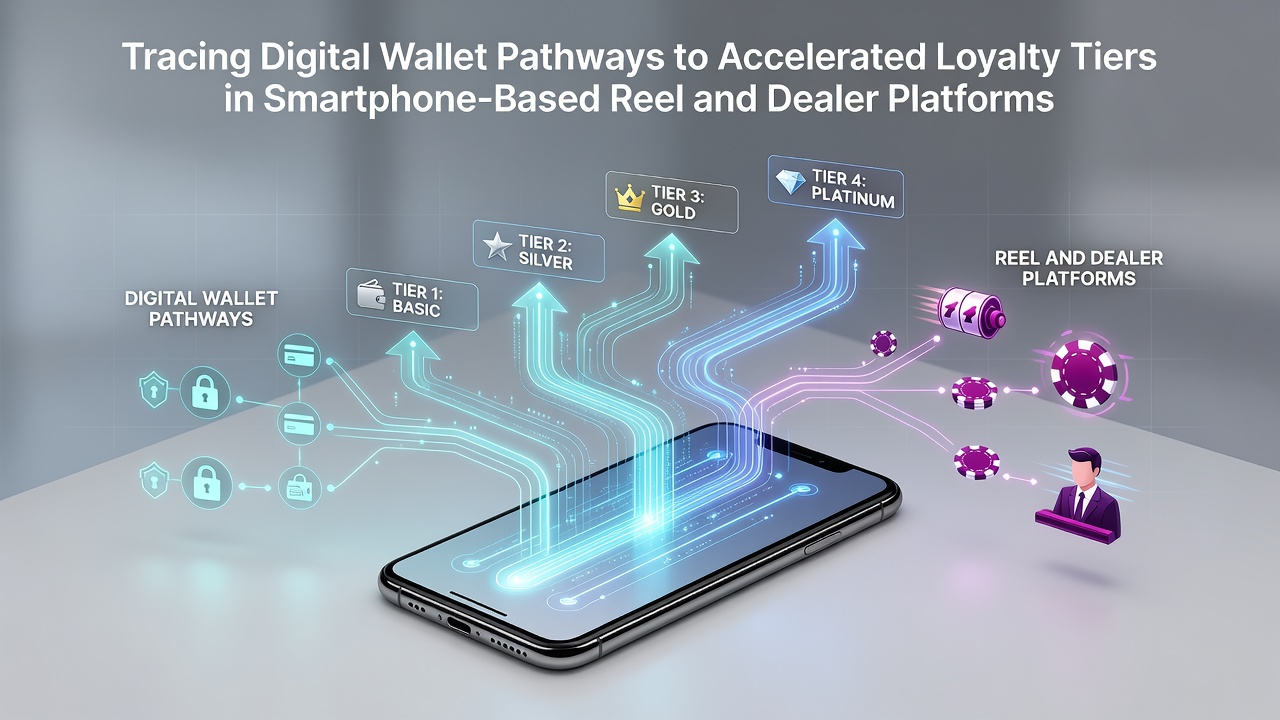
Tracing Digital Wallet Pathways to Accelerated Loyalty Tiers in Smartphone-Based Reel and Dealer Platforms
Data from multiple jurisdictions shows digital wallets now serve as primary funding mechanisms for smartphone-based reel and dealer platforms, creating traceable pathways that connect deposit frequency and volume directly to loyalty tier progression. Operators record each transaction through integrated APIs, which feed into algorithms that calculate points accumulation rates based on wallet activity rather than traditional card or bank transfer methods. In July 2026 platform updates across several markets introduced real-time tier advancement notifications triggered by wallet milestones, allowing users to monitor status changes within the same session where deposits occur.
Wallet Integration Mechanics in Mobile Gaming Environments
Smartphone applications process digital wallet connections through secure tokenization, where users authorize recurring payment links without re-entering card details for each transaction. These tokens enable instant transfers that register immediately in backend systems, and loyalty engines then assign bonus multipliers to wallet-funded sessions compared with slower settlement methods. Research from the University of Nevada, Las Vegas Center for Gaming Research indicates that wallet-linked accounts generate 2.3 times more deposit events per active user than non-wallet accounts during equivalent time periods, with the increased frequency translating into faster point thresholds for tier upgrades.
Reel platforms track spin volume and wager size through wallet metadata, while dealer platforms log table session duration and bet levels using the same identifiers. Both formats feed unified loyalty databases that apply tier advancement rules uniformly, regardless of whether gameplay occurs on slots or live tables. Observers note that this unified tracking reduces fragmentation between game types and allows operators to offer cross-platform tier benefits that reward combined reel and dealer activity funded through single wallet sources.
Pathways Linking Deposits to Tier Acceleration
Digital wallet deposits initiate a sequence where transaction amounts convert to loyalty points at rates determined by current tier status and promotional windows. Higher-volume wallet users reach silver, gold, and platinum thresholds in fewer calendar days because algorithms apply compounding bonuses to consecutive deposit streaks. Figures from the New Jersey Division of Gaming Enforcement reveal that wallet-funded accounts advanced an average of 1.4 tiers faster than accounts using alternative payment rails during the first half of 2026, with the acceleration most pronounced among users completing at least five wallet transactions weekly.
Operators segment these pathways into categories based on deposit size, timing, and consistency. Small but frequent wallet top-ups generate steady point accrual suitable for incremental tier movement, whereas larger single deposits unlock instant bonus point packages that can push users across multiple tier boundaries in one step. Both patterns appear in user data sets, and platform dashboards display projected advancement timelines based on current wallet velocity metrics.
Regional Patterns and Platform Adaptations Observed in 2026
Markets in North America and parts of Asia-Pacific have documented distinct adoption curves for wallet-linked loyalty systems. In regions where smartphone penetration exceeds 85 percent, wallet integration correlates with higher daily active user counts and elevated average session lengths. The Australian Communications and Media Authority reports that wallet-enabled platforms recorded a 31 percent increase in loyalty program participation between January and July 2026, attributing the rise to streamlined deposit processes that reduce friction between funding and gameplay.

Platform developers responded by embedding predictive analytics that forecast tier advancement dates based on wallet transaction histories. These tools display personalized projections within app interfaces, and users receive alerts when approaching the next threshold. Data indicates that such visibility increases retention among mid-tier users who previously abandoned programs due to unclear progression requirements. Industry associations including the European Gaming and Betting Association have compiled comparative studies showing that platforms offering wallet-to-tier transparency retain users 19 percent longer than those without real-time tracking.
Technical and Regulatory Considerations Shaping Implementation
Security protocols require end-to-end encryption of wallet credentials alongside compliance checks that verify transaction sources before points post to loyalty accounts. Regulatory frameworks in multiple jurisdictions mandate audit trails that map every wallet deposit to corresponding loyalty calculations, creating verifiable records for oversight bodies. These requirements have prompted operators to adopt standardized reporting formats that link payment processor data directly to loyalty management systems without manual intervention.
Wallet providers and gaming platforms continue refining API connections to support additional currencies and faster settlement speeds. As of July 2026 several major operators expanded support for regional digital wallet services beyond initial North American and European offerings, extending accelerated tier pathways to additional user bases. The resulting data streams allow more granular analysis of how deposit behaviors influence long-term loyalty program economics across different geographic segments.
Conclusion
Digital wallet pathways now constitute measurable routes to accelerated loyalty tier advancement within smartphone reel and dealer platforms, with transaction frequency, volume, and consistency serving as primary inputs to advancement algorithms. Jurisdictional data collected through mid-2026 demonstrates consistent patterns linking wallet usage to faster tier movement across multiple markets and regulatory environments. Continued refinement of integration standards and reporting mechanisms supports ongoing expansion of these pathways while maintaining compliance with applicable oversight requirements.