Shifting Transaction Choices Unlock Layered Access in Digital Prize Ecosystems
Written by Eden Günther · Aug 24, 2026
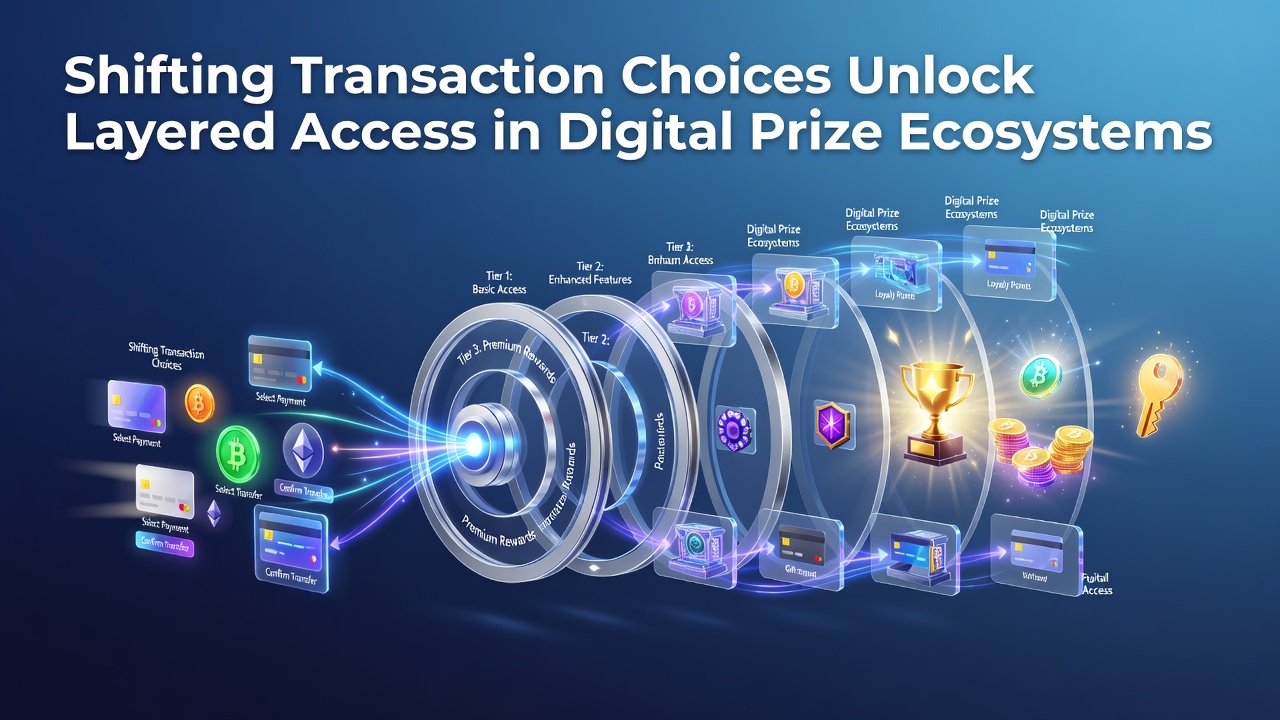
Shifting Transaction Choices Unlock Layered Access in Digital Prize Ecosystems
Digital prize ecosystems have expanded rapidly as transaction methods diversify, and platforms now tie specific payment choices to different tiers of access, bonuses, and exclusive features. Observers note that users who select instant or blockchain-based transfers often gain quicker entry to loyalty programs, whereas traditional card or bank methods may route participants through slower verification steps before unlocking equivalent rewards.
Payment Method Evolution and Platform Responses
Platforms have adjusted their systems since early 2025 to accommodate crypto wallets, e-wallets, and instant bank transfers alongside credit cards, and data from the American Gaming Association shows these options now represent over 45 percent of deposits in many regulated markets. Users who complete a transaction with certain digital currencies frequently bypass initial waiting periods, which allows them to reach higher loyalty tiers within fewer sessions, while those relying on standard cards encounter additional security layers that delay the same progression.
Research from the Alcohol and Gaming Commission of Ontario indicates that platforms in that jurisdiction recorded a 28 percent increase in tier advancements among accounts using approved instant methods during the first half of 2026. These shifts occur because operators program their loyalty engines to recognize transaction speed and source as signals for risk level and engagement potential, which in turn determines how quickly a user receives elevated bonus multipliers or access to private game lobbies.
Layered Access Mechanics Across Regions
Layered access structures typically include entry-level, mid-tier, and VIP segments, and each segment carries distinct deposit thresholds, withdrawal speeds, and promotional frequencies. One study of North American operators revealed that accounts funded through stablecoin transfers advanced to mid-tier status after an average of three deposits, whereas accounts using legacy card processors required five to seven deposits under identical play volume conditions.
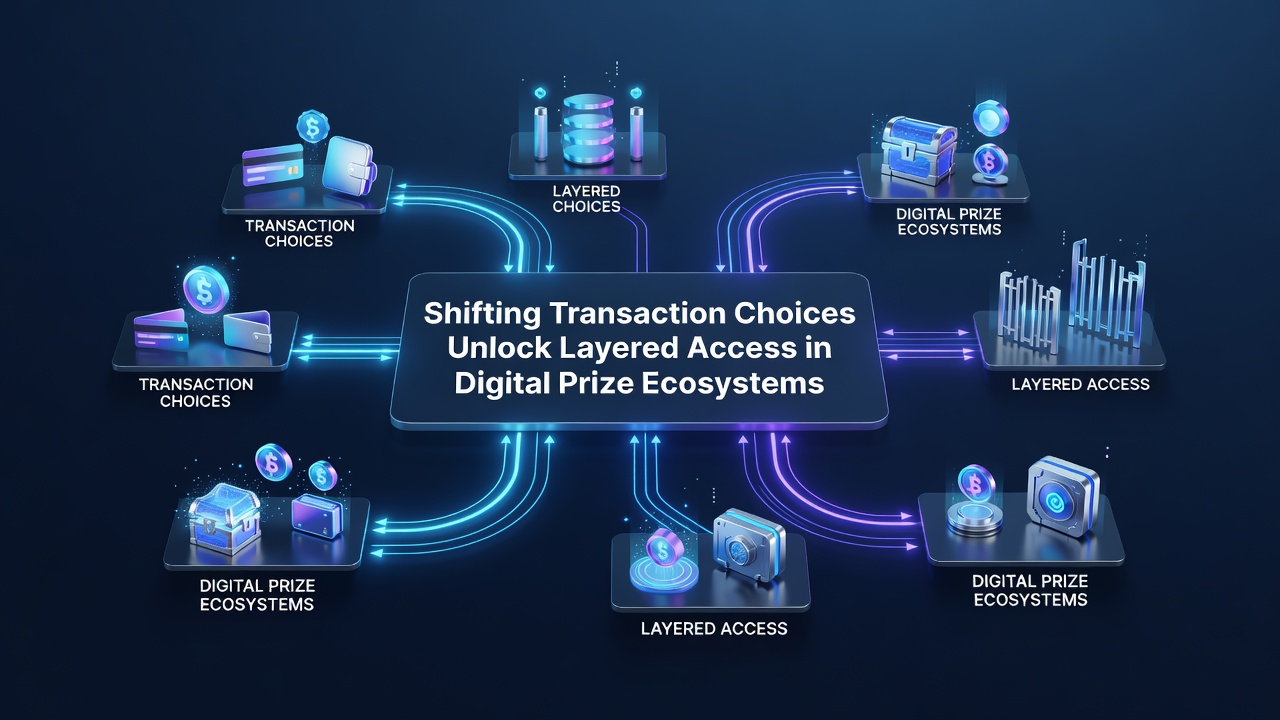
European operators have implemented similar frameworks, and figures released in August 2026 by several major platforms confirm that participants who combine e-wallet funding with recurring play patterns reach VIP segments 40 percent faster than those using direct bank wires. The systems track not only the payment instrument but also the currency type and transaction frequency, which feed into algorithms that assign users to appropriate access layers without manual intervention.
Regulatory Influences on Transaction Tiering
Regulators in multiple jurisdictions have required clearer disclosure of how payment choices affect bonus eligibility and tier movement. In Canada, updated guidelines effective March 2026 mandate that operators display the expected time to next tier alongside each available funding method during the deposit process. Australian authorities have taken a comparable approach, requiring platforms to publish average advancement timelines based on transaction categories so users can make informed selections before committing funds.
These rules emerged after consumer protection agencies documented cases where users remained unaware that slower payment rails extended the time needed to unlock certain features. Platforms responded by integrating real-time calculators that display projected tier status based on the chosen method, and early compliance reports show reduced complaint volumes in regions that adopted the new standards.
Technical Infrastructure Supporting Tier Unlocks
Backend systems now integrate payment gateways directly with loyalty databases, which enables automatic tier evaluation once a transaction clears. When a user selects a supported crypto option, the gateway returns confirmation within seconds, and the loyalty engine immediately recalculates the account's position relative to the next threshold. Traditional card processors, by contrast, route through additional fraud checks that can extend processing to several minutes, during which the system withholds tier advancement notifications.
Operators have also introduced hybrid models that let users convert between funding sources mid-session, and those who switch to faster methods after an initial card deposit sometimes retroactively receive partial credit toward tier progress. Industry reports compiled in mid-2026 document that such flexibility increased overall retention metrics by double-digit percentages in tested markets.
Conclusion
Transaction choice has become a primary variable in determining how quickly users navigate layered access structures within digital prize ecosystems. Data compiled through August 2026 shows consistent patterns across regulated markets where faster, recognized payment rails correlate with accelerated tier movement and earlier access to differentiated features. Regulatory bodies continue to refine disclosure requirements, and platform operators maintain the technical connections that translate payment characteristics into tier assignments. These developments reflect ongoing adjustments between consumer expectations, operator systems, and oversight frameworks rather than any single directional trend.