Payment Pathways Linking Secure Transfers to Tiered Incentives for Card and Reel Enthusiasts
Written by Eden Günther · May 18, 2026
Payment Pathways Linking Secure Transfers to Tiered Incentives for Card and Reel Enthusiasts
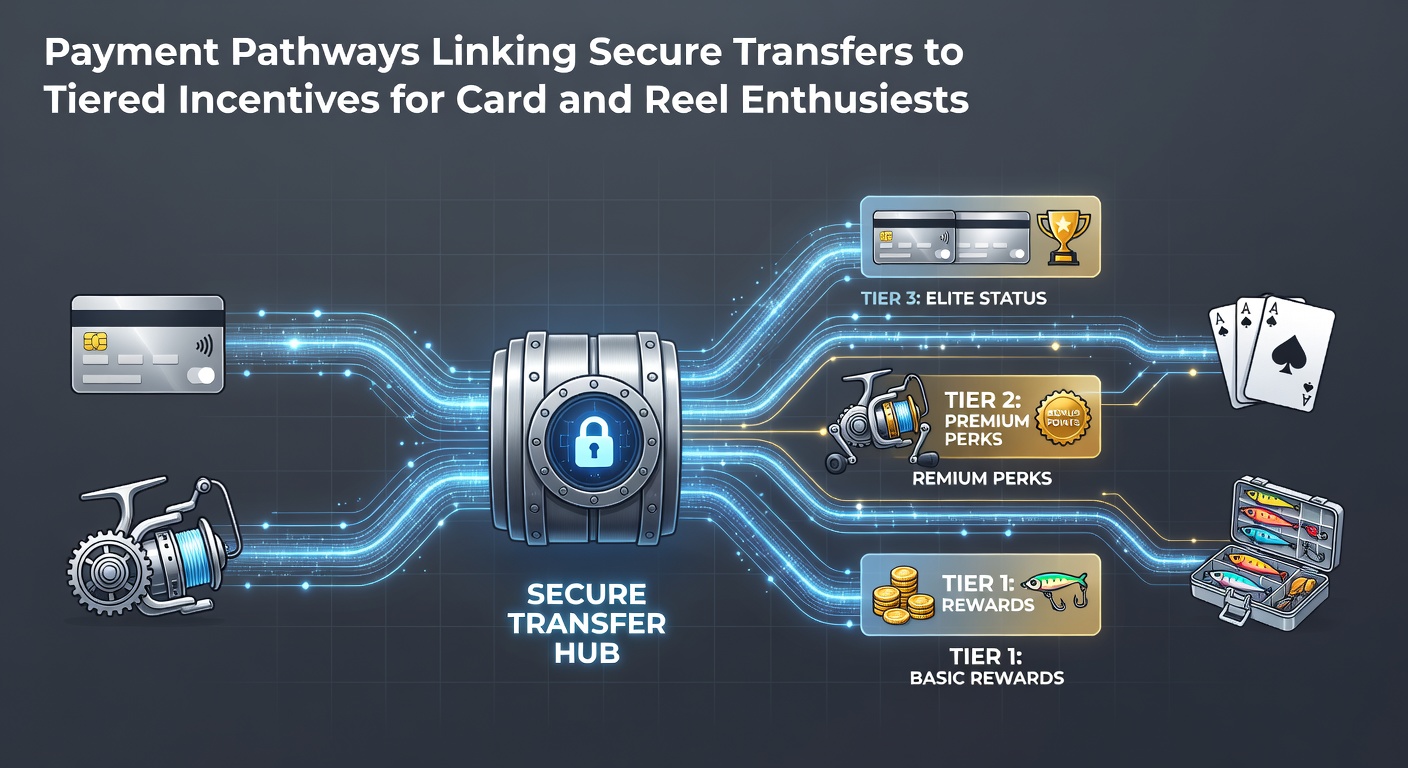
In the digital gaming sector payment pathways serve as essential bridges that connect verified financial transfers with structured reward systems, and these frameworks have gained particular traction among participants who favor card table experiences alongside reel spinning activities. Observers note that operators now route deposits through multiple authentication layers before releasing tiered benefits such as increased cashback percentages or accelerated loyalty point accumulation. Research indicates that such integration reduces transaction friction while simultaneously encouraging sustained engagement across both card and reel verticals.
Secure Transfer Mechanisms in Practice
Modern platforms employ a combination of bank wires, digital wallets, and tokenized card solutions that undergo real-time verification against regulatory databases before funds reach player accounts. Data from industry audits shows that multi-factor confirmation steps typically complete within seconds for established users, after which the system automatically evaluates deposit size and frequency to determine initial tier placement. Those who study these flows often discover that encryption protocols aligned with international standards protect card details and banking credentials throughout teh process, thereby maintaining compliance across jurisdictions that regulate online gaming activity.
Tiered Incentive Structures Explained
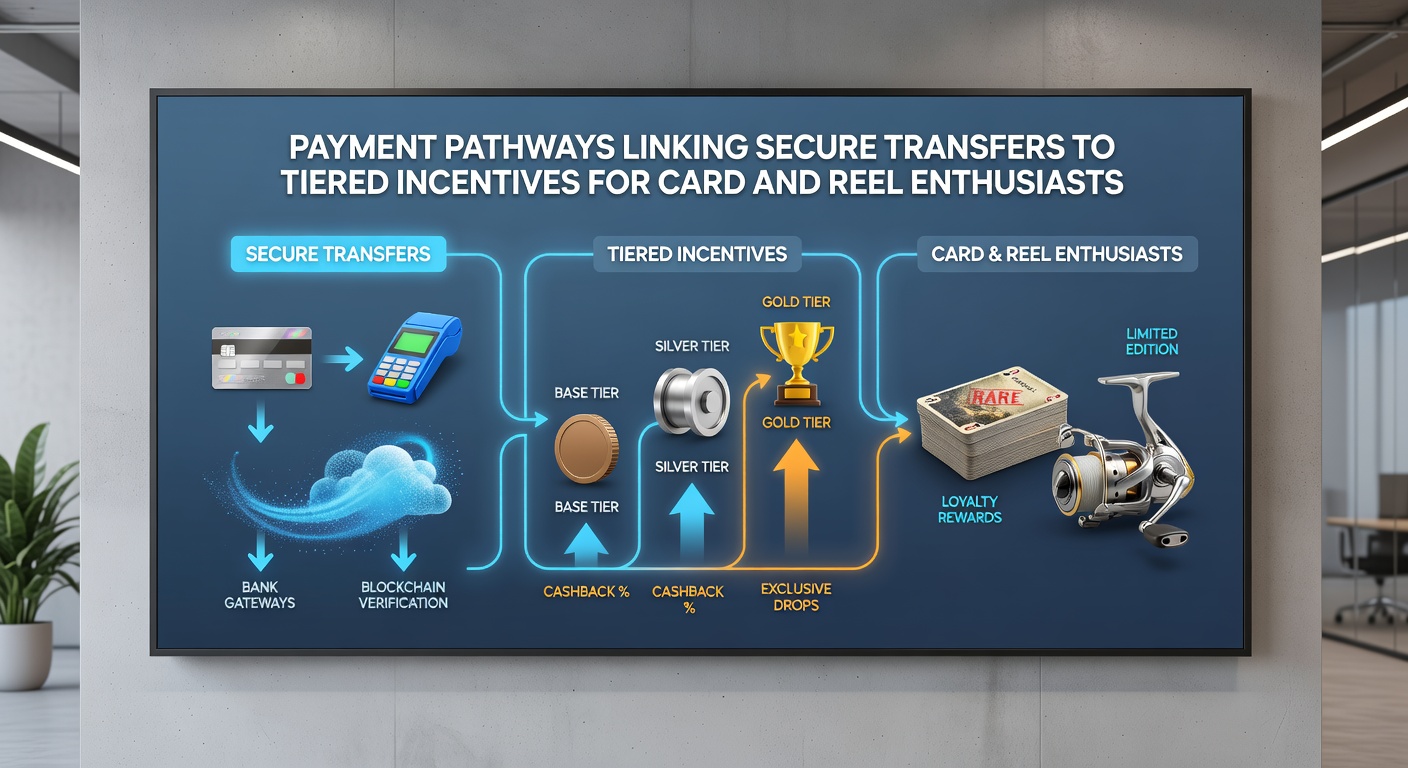
Reward ladders usually begin at an entry level that grants basic reload bonuses and progress upward through silver, gold, and platinum designations based on cumulative deposit volume and gameplay metrics. Figures reveal that card enthusiasts frequently reach mid-tier status faster when they combine table game wagers with occasional reel sessions, since many programs assign higher contribution weights to strategic play. Meanwhile reel-focused participants accumulate points through volume of spins, and operators adjust incentive multipliers accordingly once players cross predetermined thresholds. This graduated approach allows each group to unlock personalized offers such as exclusive tournament entries or enhanced withdrawal limits without requiring separate enrollment procedures.
Payment gateways now embed loyalty tracking directly into their confirmation routines, so a single successful transfer can trigger both fund credit and an automatic tier review. What's interesting is how this linkage operates across time zones and currencies, with conversion engines applying current exchange rates before calculating reward eligibility. In May 2026 several platforms introduced unified dashboards that display both pending transfer status and projected incentive upgrades side by side, reducing the need for players to navigate multiple menus.
Integration Examples Across Regions
European operators following directives from the Malta Gaming Authority have documented measurable increases in repeat deposits once secure pathways were paired with visible tier progress indicators. Similarly, Canadian provincial frameworks managed through iGaming Ontario report that players who maintain consistent transfer histories receive priority access to higher reward brackets within defined periods. These regional patterns demonstrate how localized compliance requirements still permit seamless movement between verified funding sources and dynamic incentive allocation engines.
Technical and Regulatory Considerations
Security certifications such as PCI DSS Level 1 and emerging blockchain verification layers now form baseline requirements for any pathway that feeds into tiered programs. Researchers at academic institutions examining transaction logs have noted that platforms employing continuous monitoring detect anomalous patterns earlier, which in turn protects both operator reserves and player balances. Because tier advancement often depends on verified activity, any interruption in the payment chain can delay reward activation until the next successful cycle completes, underscoring the value of redundant routing options for frequent participants.
Card table devotees benefit when pathways support instant verification for larger transfers, since many programs grant immediate tier elevation upon receipt of qualifying deposits. Reel enthusiasts, by contrast, often optimize smaller recurring transfers that steadily build point totals without triggering additional review steps. Observers note that operators continue refining these mechanics to accommodate both play styles within unified account structures.
Conclusion
Payment pathways that tie secure transfers to tiered incentives continue to evolve in response to technological advances and regulatory updates, and data through May 2026 indicates sustained adoption across card and reel gaming segments. The linkage between verified funding and progressive rewards provides operators with tools to recognize consistent participation while offering enthusiasts clearer visibility into available benefits. As verification standards advance, these integrated systems are expected to maintain their central role in shaping how players engage with online gaming platforms over time.