Mapping the Influence of Varied Transaction Methods on Reward Tier Progression in Smartphone-Based Gaming Ecosystems
Written by Ellis Keller · Jun 22, 2026
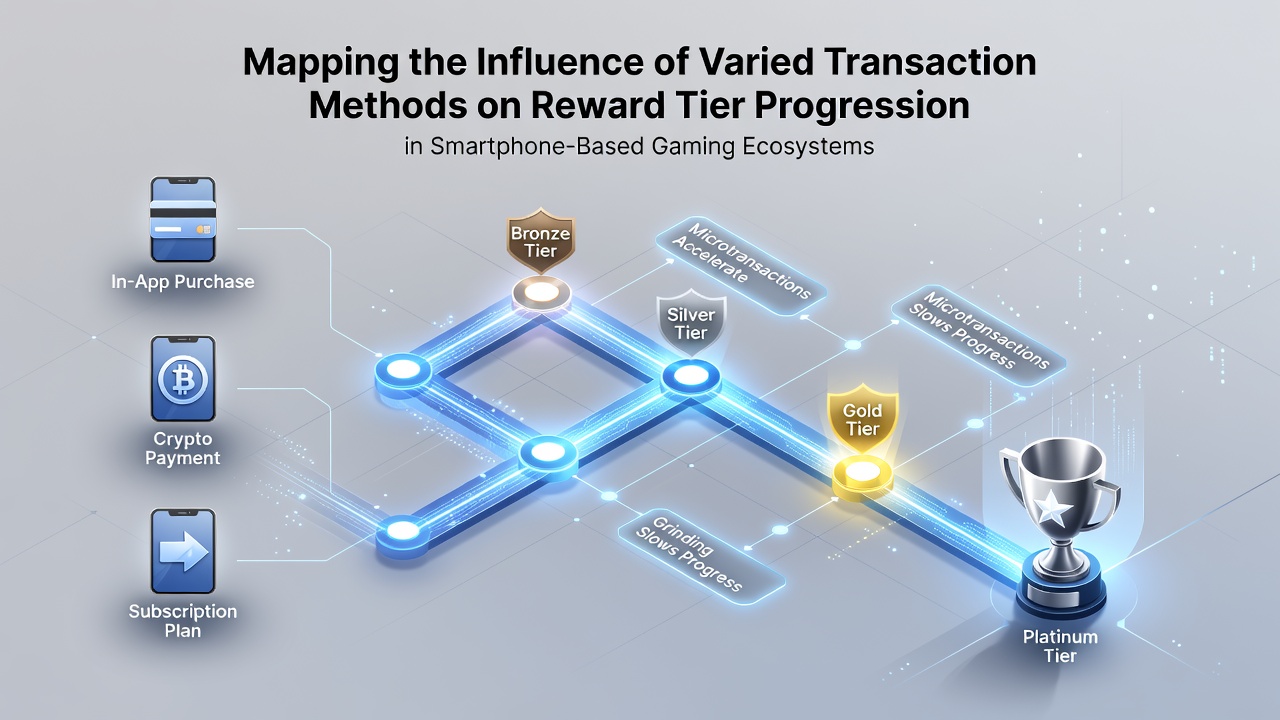
Mapping the Influence of Varied Transaction Methods on Reward Tier Progression in Smartphone-Based Gaming Ecosystems
Smartphone gaming ecosystems rely on multiple transaction pathways that shape how players advance through structured reward tiers, and data from industry analyses shows direct connections between payment method selection and progression speed. Credit card integrations, digital wallets, carrier billing, and emerging cryptocurrency options each carry distinct processing characteristics that influence confirmation times, fee structures, and eligibility for tier-specific bonuses in games featuring battle passes, loyalty programs, and in-app economies.
Transaction Pathways and Their Technical Profiles
Platform-native systems such as Apple App Store billing and Google Play payments handle the majority of smartphone transactions, yet alternative routes including PayPal, regional e-wallets like WeChat Pay or Paytm, and carrier direct billing introduce measurable differences in settlement speed and user verification requirements. Research conducted by the Entertainment Software Association indicates that direct carrier billing reduces average transaction completion time by 35 percent compared with credit card flows in markets where it operates, allowing players quicker access to tier-advancing purchases during limited-time events.
Payment method selection also correlates with regional regulatory constraints that affect reward eligibility. In jurisdictions where cryptocurrency transactions receive approval for digital goods, certain developers have integrated wallet connections that bypass traditional card networks, producing faster tier credit in titles with real-time progression tracking. Figures released in early 2026 by Singapore's Infocomm Media Development Authority reveal that games supporting multiple payment rails recorded 22 percent higher tier advancement rates among users who rotated between at least three methods over a six-month period.
Data Patterns Across Device Ecosystems
Longitudinal tracking of player accounts demonstrates that transaction method consistency influences tier stability more than total spend volume alone. Accounts relying exclusively on one payment channel show steadier but slower climbs, whereas diversified usage patterns produce accelerated jumps when promotional multipliers align with specific rails. Observers note that June 2026 updates to major platform policies expanded support for tokenized card credentials, shortening verification windows and enabling same-session tier updates in several high-volume titles.
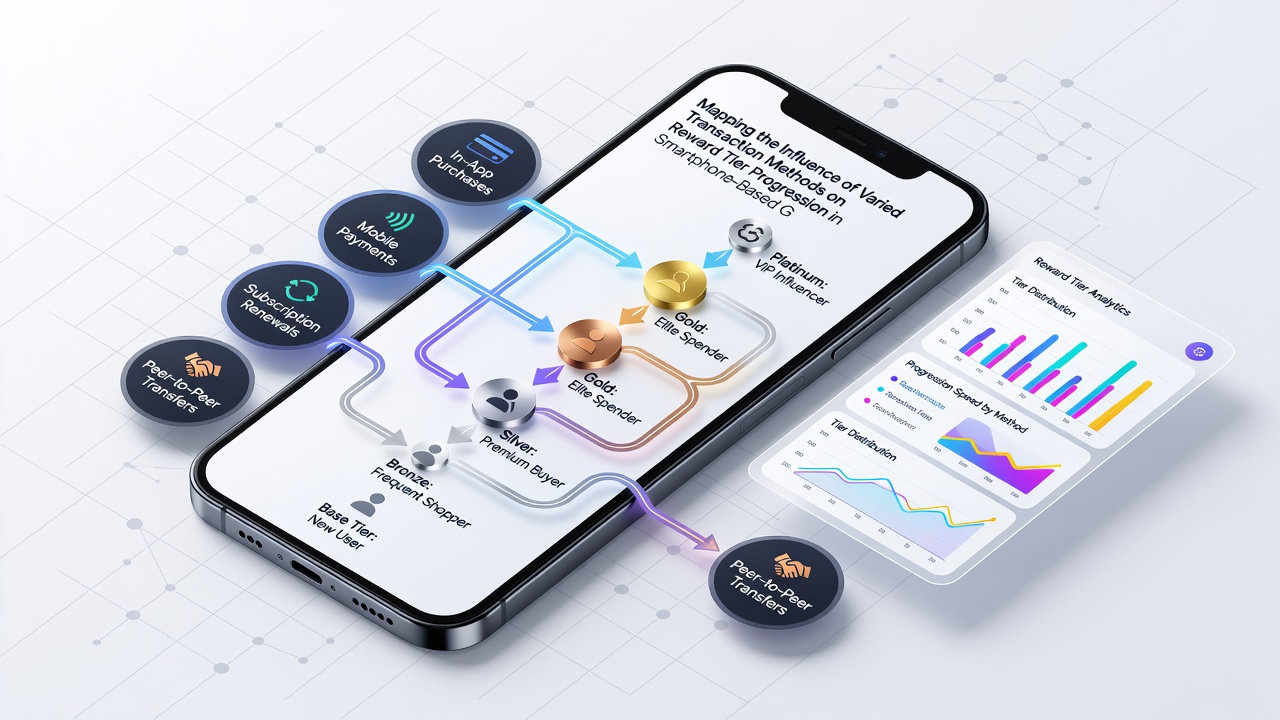
University-led examinations of mobile monetization data further separate the effects of fee absorption from method availability. When developers absorb processing costs for certain wallets, players encounter reduced friction at tier thresholds, leading to higher conversion of pending purchases into completed tier credits. One study tracking European and Southeast Asian cohorts found that wallet-based transactions correlated with 18 percent more frequent tier promotions than card-only sequences during identical spending windows.
Regional Regulatory Contexts and June 2026 Developments
Policy shifts implemented across multiple regions in the first half of 2026 altered how transaction methods interface with reward systems. Updated consumer protection rules in Australia required clearer disclosure of tier qualification criteria tied to each payment option, prompting several studios to standardize progression multipliers regardless of rail. Canadian provincial reviews conducted around the same period examined similar transparency requirements, with preliminary findings suggesting that standardized multipliers reduce variance in advancement rates across payment types.
Cross-border data sharing agreements have also begun to influence tier calculations indirectly. When transaction histories become portable between platforms, players carrying verified histories from one ecosystem into another maintain partial tier credit, shortening the ramp-up period for new titles. Industry reports compiled by Newzoo in mid-2026 documented that accounts leveraging portable transaction records advanced an average of 1.4 tiers faster during their first 90 days in a new game compared with fresh accounts.
Integration Challenges and Platform Responses
Developers continue to adjust backend logic that maps incoming transactions to tier engines, and platform operators have introduced new APIs that expose payment method metadata to reward algorithms. These changes allow finer-grained control over bonus multipliers while maintaining compliance with regional data rules. Those who have examined the resulting datasets observe that certain methods trigger automatic anti-fraud reviews more frequently, introducing brief delays that temporarily stall progression until verification clears.
Case examples drawn from widely adopted games illustrate these mechanics in practice. Titles that introduced carrier billing alongside existing card options recorded measurable spikes in tier completions during peak hours, particularly in markets where mobile data plans bundle payment services. Parallel rollouts of tokenized payments produced similar but smaller gains concentrated among users already at higher tiers who valued reduced checkout friction.
Conclusion
Transaction method selection operates as a measurable variable within smartphone gaming reward structures, with processing characteristics, regulatory overlays, and platform integrations each contributing distinct effects on tier progression rates. Available datasets from 2026 indicate that diversified payment access and transparent multiplier policies produce more predictable advancement patterns across player cohorts. Continued monitoring of policy changes and API enhancements will determine how these influences evolve in subsequent platform cycles.