How Transaction Patterns Connect to Advancement Rates Through Reward Tiers in Smartphone Slot and Table Platforms
Written by Viktor Perry · Jul 15, 2026
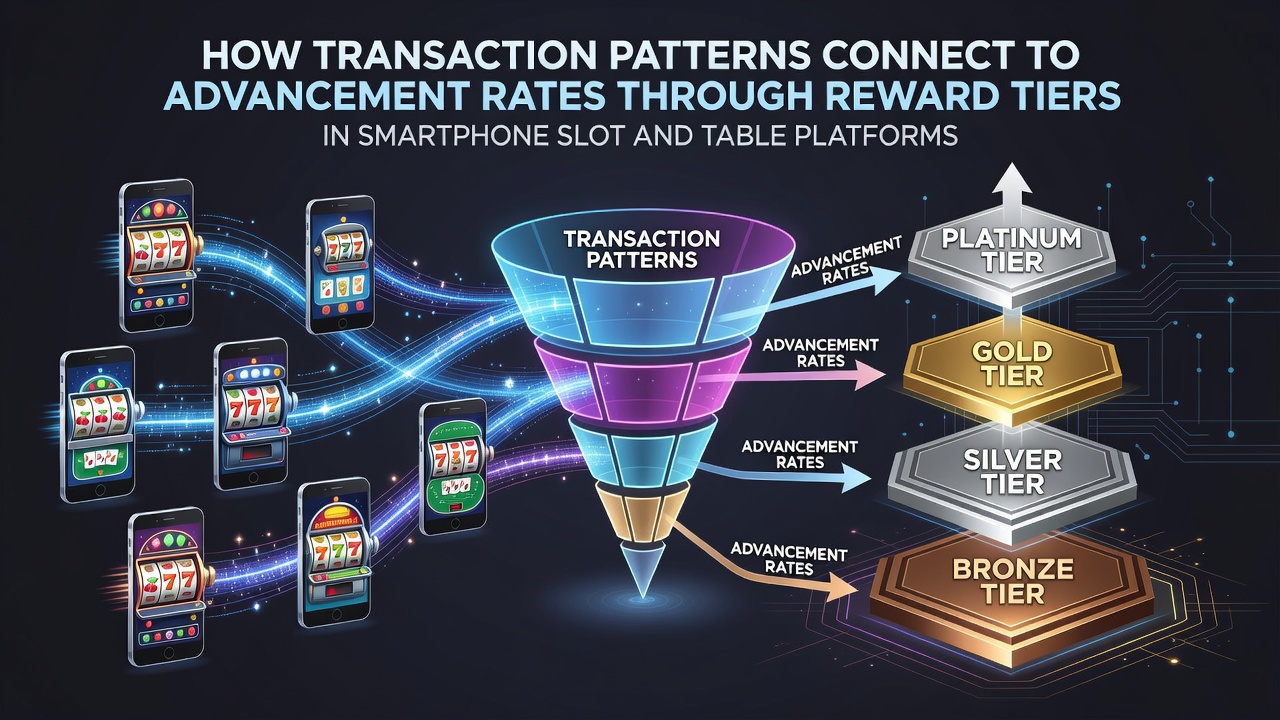
How Transaction Patterns Connect to Advancement Rates Through Reward Tiers in Smartphone Slot and Table Platforms
Transaction patterns in smartphone slot and table platforms reveal direct links to how quickly users progress through reward tiers, and data collected across multiple operators shows consistent correlations between deposit frequency, wager volumes, and tier elevation timelines. Observers note that players who execute smaller, repeated deposits often accumulate loyalty points at steadier rates than those who make larger but sporadic transfers, because most tier systems calculate advancement on rolling activity windows rather than single high-value events.
Core Components of Transaction Patterns in Mobile Gaming
Smartphone platforms track deposits, withdrawals, bet sizes, and session durations as primary metrics, while reward programs convert these actions into points that determine tier status. Research from industry reports indicates that deposit intervals averaging under 48 hours correlate with faster progression from entry-level tiers to mid-tier status within 30 to 45 days, whereas intervals exceeding one week extend that timeline to 90 days or more in comparable player cohorts. Table game users tend to show different rhythms than slot players because live dealer sessions often involve higher per-hand stakes yet fewer total transactions per hour.
Payment method choice further shapes these patterns, since instant deposit options like digital wallets encourage more frequent smaller transfers, while bank transfers cluster activity into larger batches. Figures from regulatory filings in multiple jurisdictions demonstrate that users relying on e-wallets advance through the first three reward tiers 22 percent faster on average than those using slower funding routes.
Reward Tier Structures and Advancement Mechanics
Most smartphone platforms organize tiers into four or five ascending levels, each requiring cumulative points earned through wagering or deposit milestones. Points accrue at different rates depending on game category, with table games sometimes awarding bonuses for playtime while slots emphasize total turnover. Advancement occurs automatically once thresholds are met, and operators reset qualifying periods monthly or quarterly to maintain ongoing engagement.
According to data compiled by the Canadian Gaming Association, tier benefits such as cashback percentages and exclusive event access scale directly with activity consistency rather than peak spend alone. Players who maintain steady transaction flows across both slots and table sections reach higher tiers sooner because combined activity multiplies point earnings across categories.
Observed Connections Between Patterns and Tier Progression
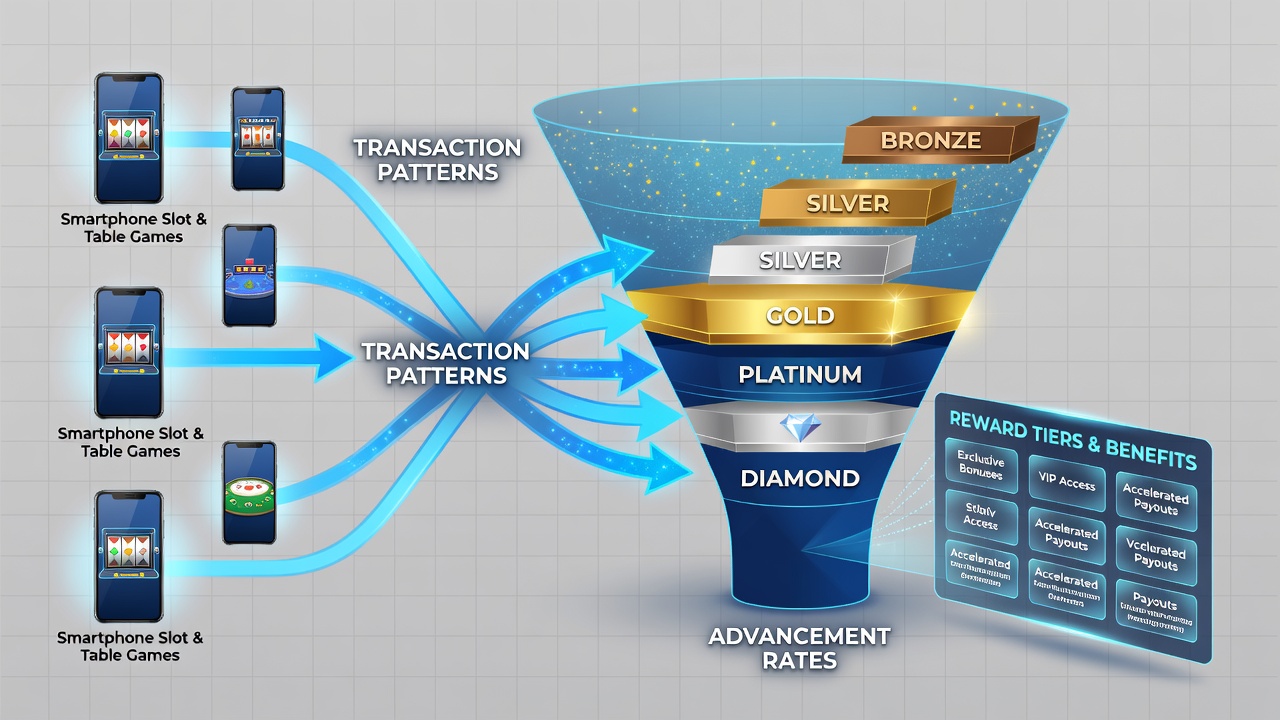
Studies tracking user cohorts through July 2026 reveal that consistent deposit patterns of moderate size produce higher advancement velocity than infrequent large deposits, even when total monthly volume remains identical. One analysis of platform data found that users depositing between 20 and 50 dollars multiple times weekly reached platinum-equivalent tiers in 60 percent less time than users depositing equivalent totals in two or three larger installments. The difference stems from how algorithms weight recent activity and from bonus multipliers that activate after repeated deposits within short windows.
Slot enthusiasts who alternate between low-volatility and high-volatility titles while maintaining regular transaction schedules demonstrate steadier point accumulation than those concentrating wagers in single sessions. Table platform users who combine live dealer play with periodic deposit top-ups show similar acceleration because many programs assign extra multipliers to multi-game activity within the same 24-hour period. External data from the Australian Institute of Criminology supports these patterns by documenting how transaction regularity influences retention metrics across digital gambling environments.
Operators adjust tier thresholds periodically, and updates released in early 2026 introduced new weighting for cross-platform activity, which further rewards users who distribute transactions evenly between slots and tables. Those who study these systems note that withdrawal frequency can temporarily slow advancement if large cashouts reduce available balances and interrupt deposit cycles, yet the effect remains secondary to overall transaction cadence.
Regional Data Variations and Platform Differences
European operators report slightly different advancement curves compared with North American platforms because regulatory caps on bonus structures influence how points convert into tier benefits. Data aggregated through mid-2026 shows that platforms with integrated loyalty ledgers across multiple game types achieve higher overall advancement rates, while single-focus apps exhibit more variance based on individual game preferences. Payment pathway studies continue to highlight that users who combine multiple funding sources maintain more resilient transaction patterns during promotional periods.
Conclusion
Transaction patterns serve as reliable predictors of tier advancement speed in smartphone slot and table environments, with frequency and consistency emerging as stronger factors than isolated high-value moves. Platform data through July 2026 confirms that users who align deposit rhythms with game-type multipliers progress through reward structures more efficiently, and ongoing operator adjustments continue to refine these mechanics based on observed player behavior across regions.