Exploring Intersections of Regulatory Compliance and VIP Tier Advancements in Cross-Platform Gaming Environments
Written by Ellis Keller · Jul 20, 2026
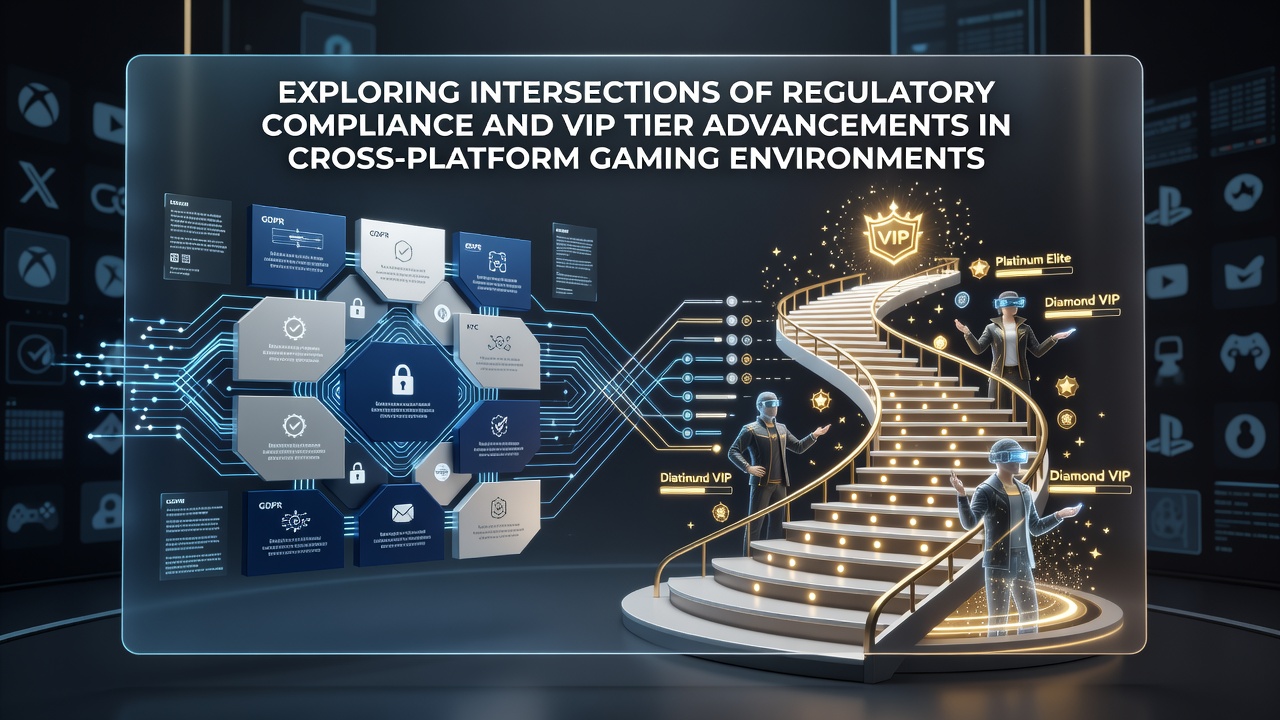
Exploring Intersections of Regulatory Compliance and VIP Tier Advancements in Cross-Platform Gaming Environments
Regulatory frameworks shape how gaming operators build and manage VIP tier systems that function across mobile apps, desktop platforms, and live dealer environments, and this intersection has grown more complex as cross-platform play expands in 2026. Operators track player activity in real time while meeting know-your-customer rules, anti-money laundering standards, and responsible gaming mandates that differ by jurisdiction. Data from July 2026 shows continued growth in multi-device engagement, which forces platforms to synchronize compliance checks without disrupting tier advancement mechanics.
Regulatory Requirements That Influence VIP Structures
Authorities in multiple regions require operators to verify player identity before granting access to higher-tier benefits such as personalized bonuses, dedicated account managers, or expedited withdrawals. These checks must occur consistently whether a user switches from a smartphone slot session to a desktop live table or a tablet-based sports wager. The Alcohol and Gaming Commission of Ontario outlines specific protocols for maintaining audit trails that link each transaction to verified accounts across devices.
Cross-platform environments create additional layers because transaction histories and play patterns must remain intact when users move between channels. Regulators expect systems to flag unusual activity that could signal money laundering, and this scrutiny applies equally to VIP members who generate larger volumes. Platforms therefore embed automated monitoring tools that evaluate tier progression against compliance thresholds rather than allowing rapid advancement based solely on volume.
Data Privacy and Cross-Platform Tracking Obligations
Player data collected for VIP calculations must comply with privacy regulations that govern storage, sharing, and deletion across jurisdictions. When a user logs in from different devices, operators must ensure consent records and data minimization practices remain consistent. Failure to align these processes can delay tier upgrades or trigger mandatory reviews by oversight bodies.

Operators often segment VIP databases so that promotional offers and loyalty points do not inadvertently violate regional marketing restrictions. One study conducted by researchers at the University of Nevada, Las Vegas examined how segmented tracking reduces compliance incidents while preserving the ability to advance tiers based on verified activity. The findings indicated that platforms using unified yet segmented profiles experienced fewer regulatory queries during audits.
AML Controls and Tier Advancement Mechanics
Anti-money laundering rules require enhanced due diligence once players reach certain spending thresholds, which frequently coincide with VIP tier entry points. Platforms must pause or condition further advancement until additional verification steps complete. This creates a procedural checkpoint that applies uniformly whether the activity occurs on mobile reels, live dealer tables, or desktop card rooms.
According to the Nevada Gaming Control Board, operators must document every instance where compliance reviews intersect with loyalty program decisions. Records include timestamps for identity refreshes, source-of-funds declarations, and any restrictions placed on tier benefits. These requirements apply across all gaming channels and prevent operators from advancing users who have not cleared required checks.
Regional Variations in Compliance Standards
European markets enforce stricter responsible gaming measures that cap certain VIP perks for players displaying high-risk behavior patterns. Australian regulators focus on advertising transparency and require clear disclosure of terms that govern tier qualification. North American state and provincial bodies emphasize transaction reporting and often mandate real-time reporting feeds that capture cross-platform activity.
These differences mean global operators maintain region-specific rule engines within their VIP management systems. A single player account may advance differently depending on the jurisdiction tied to each session, and platforms must reconcile conflicting rules without fragmenting the user experience.
Technical Integration Challenges
Integrating compliance modules with VIP engines requires careful architecture so that automated tier calculations do not bypass regulatory gates. Developers implement conditional logic that evaluates both play metrics and compliance status before updating a player’s tier. Testing across devices becomes essential because latency or synchronization errors can create temporary mismatches between reported activity and verified status.
Industry reports from the American Gaming Association note that platforms investing in unified compliance-VIP architectures report fewer post-launch adjustments after regulatory reviews. These systems allow operators to demonstrate to auditors that tier advancements occur only after all required checks pass, regardless of device or game type.
Conclusion
Regulatory compliance and VIP tier advancements intersect at multiple points in cross-platform gaming environments, and operators continue to refine their systems to satisfy both sets of demands. Data synchronization, identity verification, and region-specific rules all influence how quickly and under what conditions players move through loyalty structures. As cross-platform participation grows, these intersections will remain central to operational planning and regulatory reporting through the remainder of 2026 and beyond.