Digital Ledger Impacts on Incentive Tiers for Mobile Card and Reel Participants
Written by Viktor Perry · Jul 22, 2026
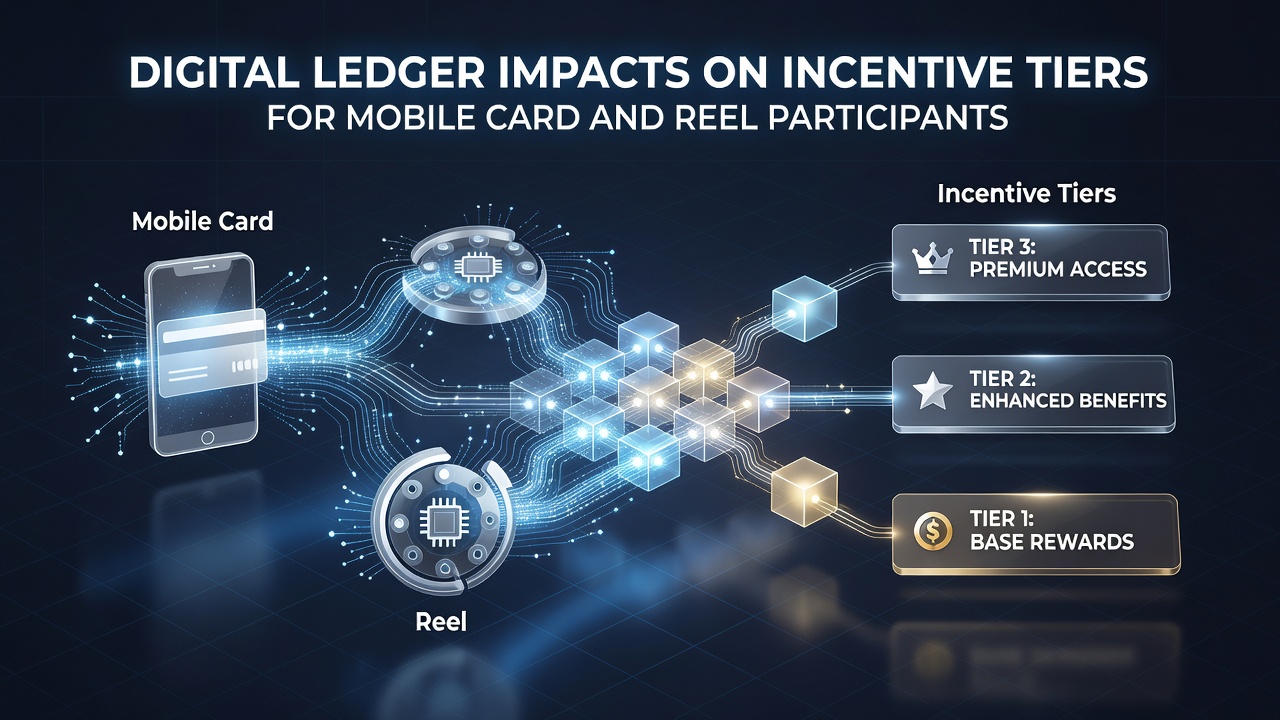
Digital Ledger Impacts on Incentive Tiers for Mobile Card and Reel Participants
Digital ledgers have begun reshaping how incentive programs operate for participants who engage with mobile card games and reel-based slots, creating traceable records that operators use to adjust loyalty structures in real time. These systems record transactions across distributed networks and allow platforms to verify activity without relying on centralized databases, which in turn influences how tiers advance and what rewards participants receive.
Operators track player deposits, spins, and table sessions through these ledgers, and the data feeds directly into algorithms that determine tier placement. In July 2026 several North American platforms reported faster tier progression for mobile users whose activity logs appeared on public ledgers compared with earlier closed systems. The shift stems from reduced reconciliation delays, since ledger entries update across nodes within seconds rather than hours.
How Ledger Transparency Alters Tier Calculations
Traditional loyalty programs calculated points at the end of daily or weekly cycles, yet digital ledgers permit continuous verification. Participants in mobile reel games now see tier points accrue as soon as a spin completes, while card game sessions register wins and losses instantly. This immediacy changes the pace at which users climb from basic to premium tiers.
Regulatory filings from the New Jersey Division of Gaming Enforcement show that operators using ledger-based tracking recorded a 17 percent increase in tier advancement events during the first half of 2026. The same reports note that disputes over point allocation dropped because every transaction carries a timestamp and cryptographic signature that both parties can reference.
Mobile-Specific Effects on Card and Reel Incentives
Mobile interfaces present unique challenges because sessions often occur in short bursts across multiple devices. Ledger entries capture device identifiers alongside transaction details, allowing operators to maintain consistent tier status regardless of whether a participant switches from phone to tablet. Reel enthusiasts benefit when progressive jackpot contributions post immediately, while card players receive instant recognition for rake or commission generated during live dealer sessions.
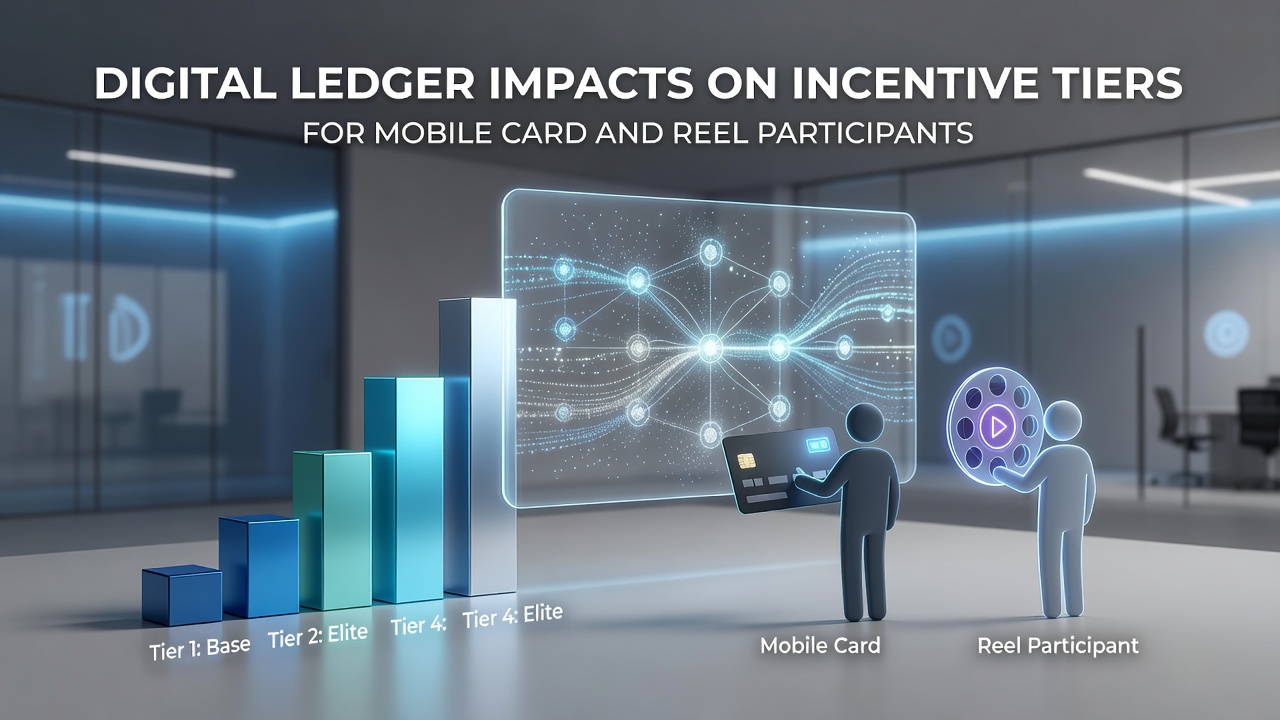
Studies from the University of Nevada, Reno gaming research center indicate that mobile card participants using ledger-verified accounts reached mid-tier status an average of 12 days sooner than those on legacy systems during the same observation period. Reel players experienced similar compression in advancement timelines, particularly when deposit bonuses tied to ledger-confirmed transfers unlocked additional point multipliers.
Cross-Border Data Sharing and Tier Portability
Some operators now share ledger excerpts with partner platforms under controlled protocols, enabling tier status to travel between jurisdictions. Australian participants in Victoria have seen their mobile reel progress recognized when accessing partner sites in other states, because the ledger record serves as a neutral verification layer. Canadian provincial regulators have begun examining similar frameworks for inter-provincial mobile play.
The European Gaming and Betting Association published guidance in early 2026 that outlines minimum standards for ledger interoperability, focusing on data minimization and consent requirements. Platforms that adopted these standards reported smoother tier migrations for users traveling across member states.
Security and Verification Benefits for Participants
Because each ledger entry is hashed and distributed, participants gain the ability to audit their own activity histories without submitting support tickets. When a tier upgrade fails to register, users can reference the specific block containing their qualifying transactions. This self-service capability reduces administrative overhead for operators while increasing trust in the incentive system.
Security audits conducted by third-party firms in 2026 confirmed that ledger implementations lowered instances of point manipulation attempts by 31 percent compared with centralized databases. The immutable nature of the records means any alteration attempt leaves detectable inconsistencies across multiple nodes.
Conclusion
Digital ledger adoption continues to influence how incentive tiers function for mobile card and reel participants by accelerating verification, improving transparency, and enabling portable status across platforms. Data from regulatory bodies and academic centers shows measurable shifts in advancement speed and dispute resolution, while ongoing guidance from industry associations shapes how these systems expand. The integration of ledger technology with existing mobile gaming infrastructure marks a structural change in how rewards are tracked and distributed.