Decoding How Funding Options Shape Tiered Incentives Across Portable Reel and Dealer Platforms
Written by Eden Günther · May 27, 2026
Decoding How Funding Options Shape Tiered Incentives Across Portable Reel and Dealer Platforms
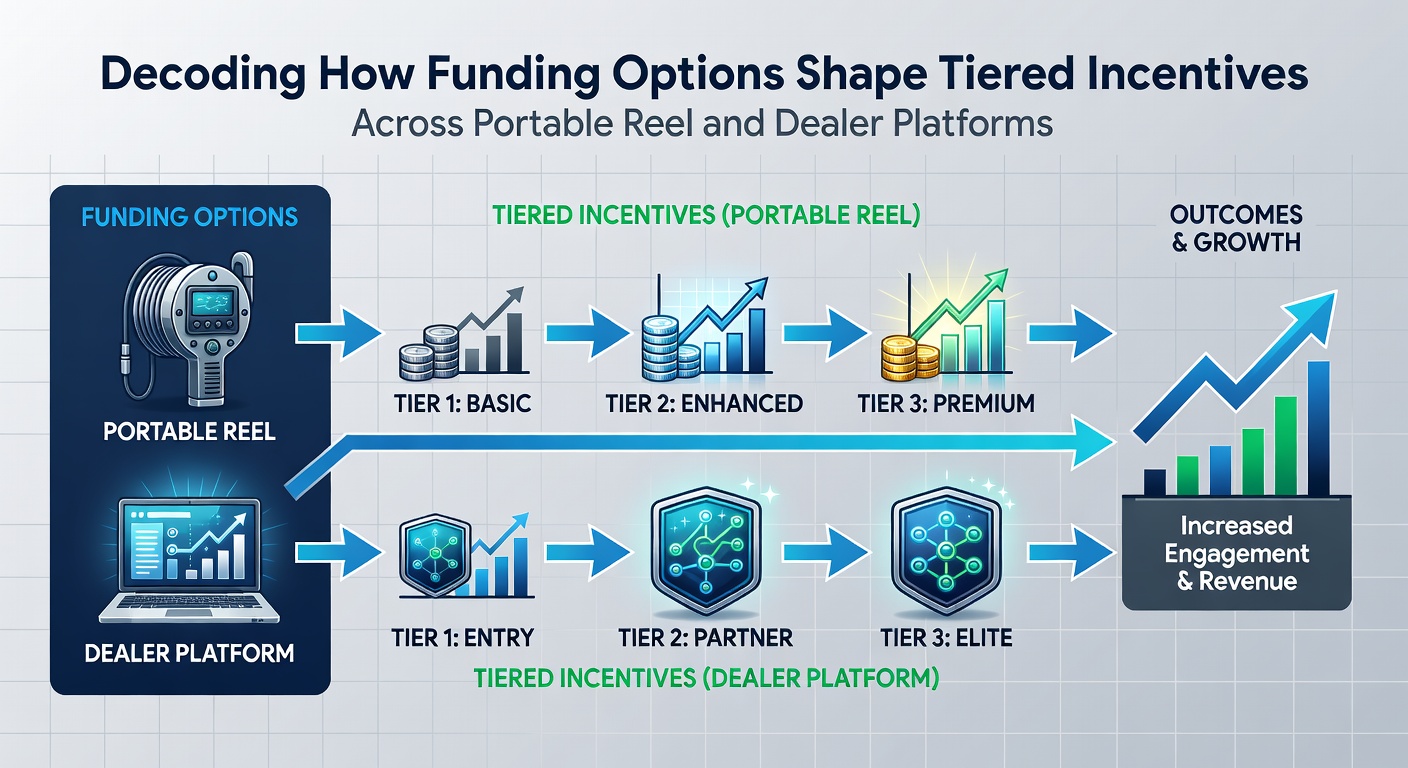
Funding options play a central role in determining which tiered incentives become available on portable reel and dealer platforms, where deposit methods directly affect bonus eligibility, processing speed, and progression through loyalty structures. Traditional bank transfers, credit cards, e-wallets, and cryptocurrencies each carry specific rules that platforms apply when calculating rewards, while regulatory requirements in multiple jurisdictions add further layers that shape these systems as of May 2026.
Core Funding Methods and Their Platform Integration
Platforms categorize funding sources by speed and verification requirements, which in turn control access to initial deposit matches and ongoing reward tiers. Credit and debit cards often trigger standard bonus pools because of established processing networks, whereas cryptocurrency deposits frequently unlock accelerated verification that advances users into higher incentive brackets more quickly. E-wallets sit between these categories, offering moderate processing times that still permit tier movement but with volume-based caps that researchers track across operator datasets.
Data from the Nevada Gaming Control Board shows that operators adjust incentive formulas based on the average settlement time of each method, creating measurable differences in how quickly players reach the next loyalty level. Portable reel applications display these adjustments through in-app progress bars that update in real time once a deposit clears, while dealer platforms embed similar calculations into live session interfaces that reflect funding source upon login.
Portable Reel Platforms: Deposit Pathways and Tier Progression
Mobile reel environments tie incentive tiers to cumulative deposit amounts filtered by method type, so users who fund through faster options accumulate qualifying volume at a higher rate. Research indicates that platforms using automated reconciliation for cryptocurrency deposits register tier advancements within minutes, whereas card-based deposits may require twenty-four to forty-eight hours before the same volume counts toward the next reward bracket. These timing differences appear in user dashboards as distinct progress metrics that reflect the underlying funding channel.
Observers note that reel operators maintain separate bonus pools for each funding category, which prevents cross-contamination between high-speed and standard methods. One documented case involved a platform that reserved its top-tier free spin allocations exclusively for cryptocurrency deposits above a set threshold, a structure that data analysts linked to reduced processing overhead. Players who switch between methods mid-cycle often see their tier status recalculated according to the rules attached to the most recent deposit source.
Dealer Platforms: Real-Time Funding and Live Incentive Triggers
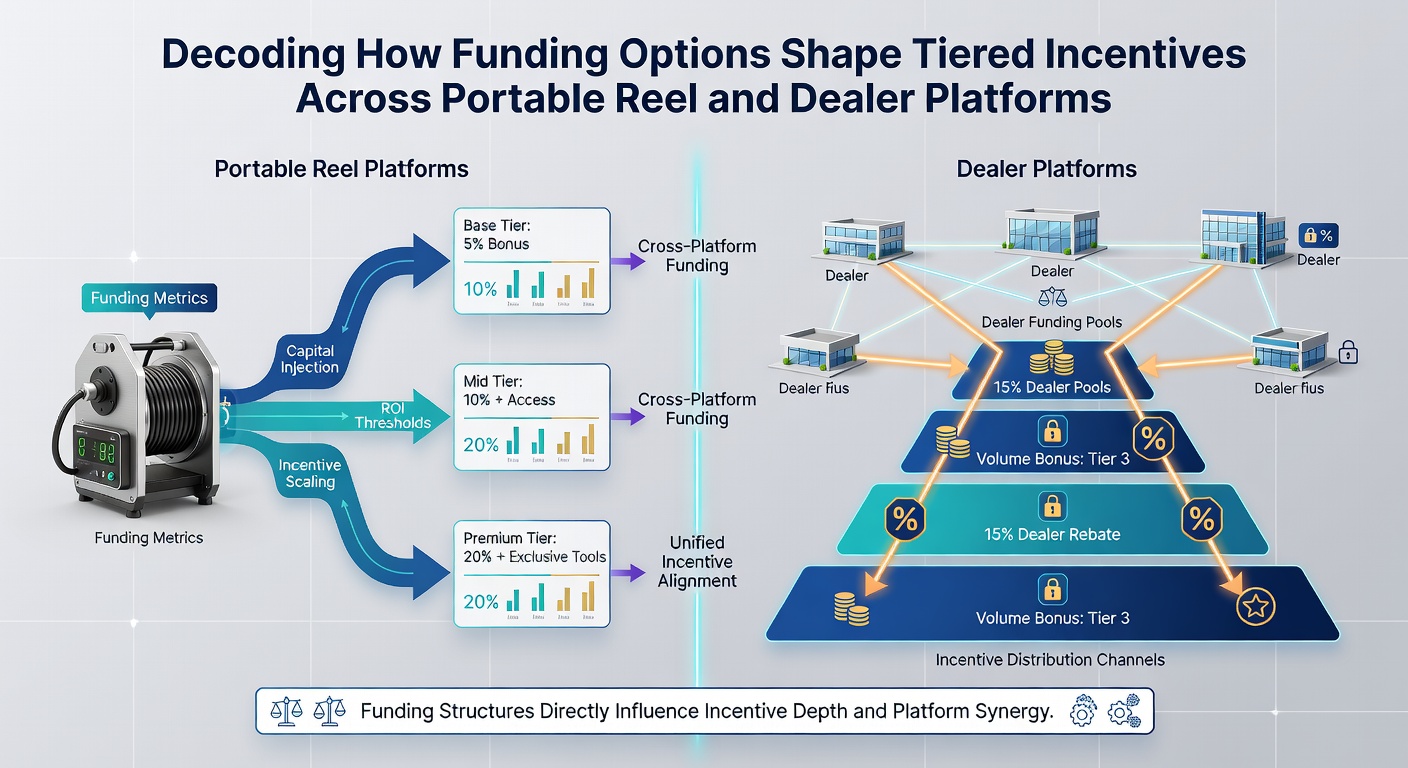
Live dealer environments integrate funding options directly into session management, allowing incentives to activate during active play when a qualifying deposit processes. E-wallet transfers commonly serve as the bridge method that maintains continuous tier eligibility because their near-instant confirmation aligns with the pace of table games. Card deposits, while reliable, introduce brief pauses that platforms offset by extending the validity window for current tier benefits until settlement completes.
According to figures compiled by the Australian Gambling Research Centre, dealer platforms that accept multiple funding streams record higher retention among users who alternate between methods to optimize tier progress. The same data reveals that cryptocurrency options correlate with elevated average bet sizes once users reach mid-tier status, a pattern attributed to the seamless top-up capability these methods provide during live sessions. Platform algorithms adjust incentive multipliers in response to the funding mix observed across user cohorts, ensuring that each method contributes proportionally to the overall reward structure.
Regulatory Influences on Incentive Design in May 2026
Regulatory updates taking effect in May 2026 require clearer disclosure of how funding methods map to incentive tiers, prompting operators to publish detailed tables that list eligible deposit types alongside corresponding reward percentages. These rules apply uniformly across portable reel and dealer offerings, which forces platforms to standardize their backend calculations. Compliance teams now audit funding-to-tier mappings quarterly to verify that no method receives undisclosed advantages that could violate transparency mandates.
Industry reports highlight that operators responded to these requirements by introducing method-specific loyalty tracks, each with its own progression schedule. This segmentation allows platforms to maintain competitive incentive levels while satisfying regulatory demands for equitable treatment across funding channels. Data analysts continue to monitor whether these changes alter overall deposit volumes or simply redistribute activity among existing methods.
Conclusion
Funding options continue to determine the shape and accessibility of tiered incentives on portable reel and dealer platforms through measurable differences in processing speed, verification requirements, and regulatory alignment. As operators refine these structures in response to both market dynamics and oversight mandates, the relationships between deposit method and reward eligibility remain a central factor in how users navigate loyalty systems. Ongoing data collection from regulatory and research bodies will track whether these patterns stabilize or shift further in subsequent reporting periods.