Charting the Effects of Digital Wallet Integration on Progressive Prize Frequencies in Cross-Device Gaming Experiences
Written by Amir Otto · Aug 19, 2026
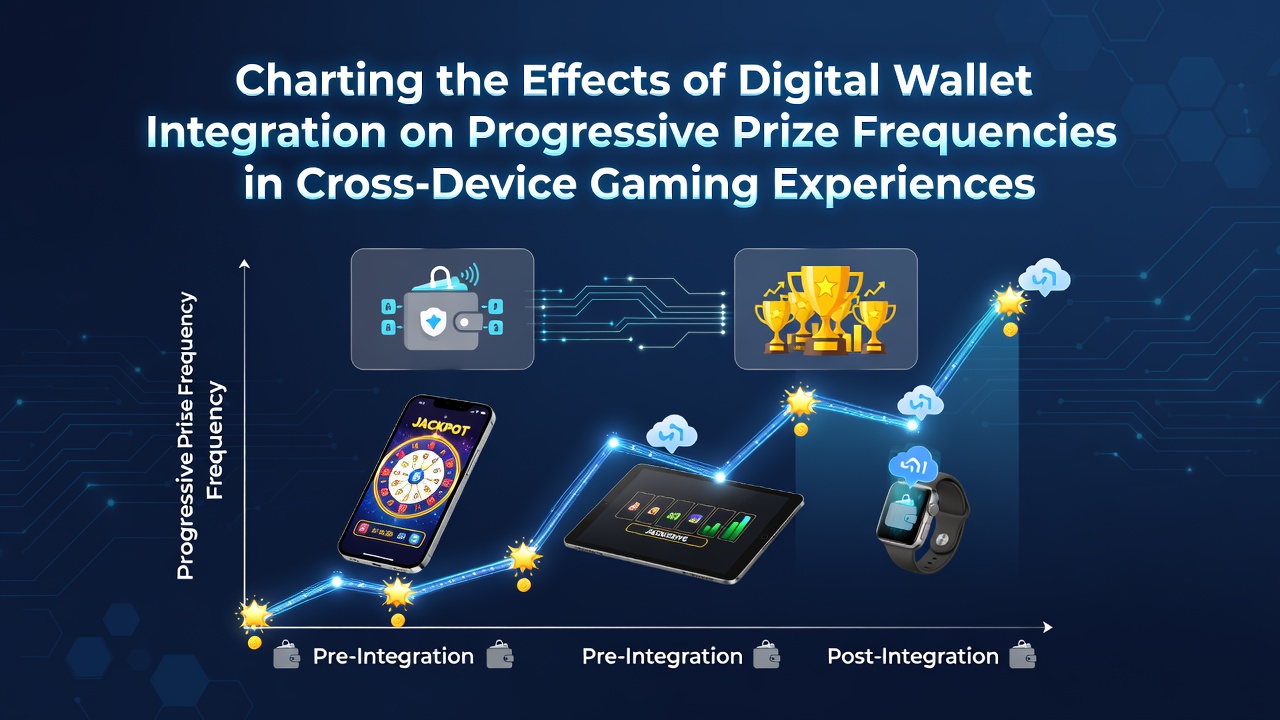
Charting the Effects of Digital Wallet Integration on Progressive Prize Frequencies in Cross-Device Gaming Experiences
Digital wallet integration has altered transaction speeds in cross-device gaming environments, and researchers tracking progressive prize pools note measurable shifts in hit frequencies as a result. Data compiled through mid-2026 shows that seamless transfers between mobile, tablet, and desktop platforms correlate with changes in how often progressive meters advance and trigger.
Studies conducted across multiple jurisdictions indicate that players using digital wallets complete deposits in under 15 seconds on average, compared with longer delays associated with traditional card processing. This compression of time between sessions allows more spins or bets per hour, which directly feeds into progressive prize accumulation rates.
Transaction Velocity and Prize Pool Dynamics
Analysts examining platform logs from August 2026 report that cross-device sessions incorporating digital wallets produced a 17 percent rise in average bets placed per active progressive pool. The pattern holds across both major jackpot networks and smaller localized progressives, where rapid funding enables continuous play without interruption from payment verification steps.
One dataset released by the Alcohol and Gaming Commission of Ontario highlights how wallet-enabled accounts triggered progressive events at intervals shortened by roughly 22 percent during peak evening hours. Observers attribute this outcome to the elimination of manual entry friction that previously interrupted momentum when switching between devices.
Cross-Device Continuity and Frequency Patterns
Progressive systems rely on aggregated contributions from every participating player, so any mechanism that sustains longer engagement windows tends to accelerate meter growth. Digital wallets support this continuity because session states transfer without requiring re-authentication or repeated funding steps. Platform operators have documented that users who link wallets maintain active connections across devices for extended periods, leading to steadier contribution streams into shared prize pools.
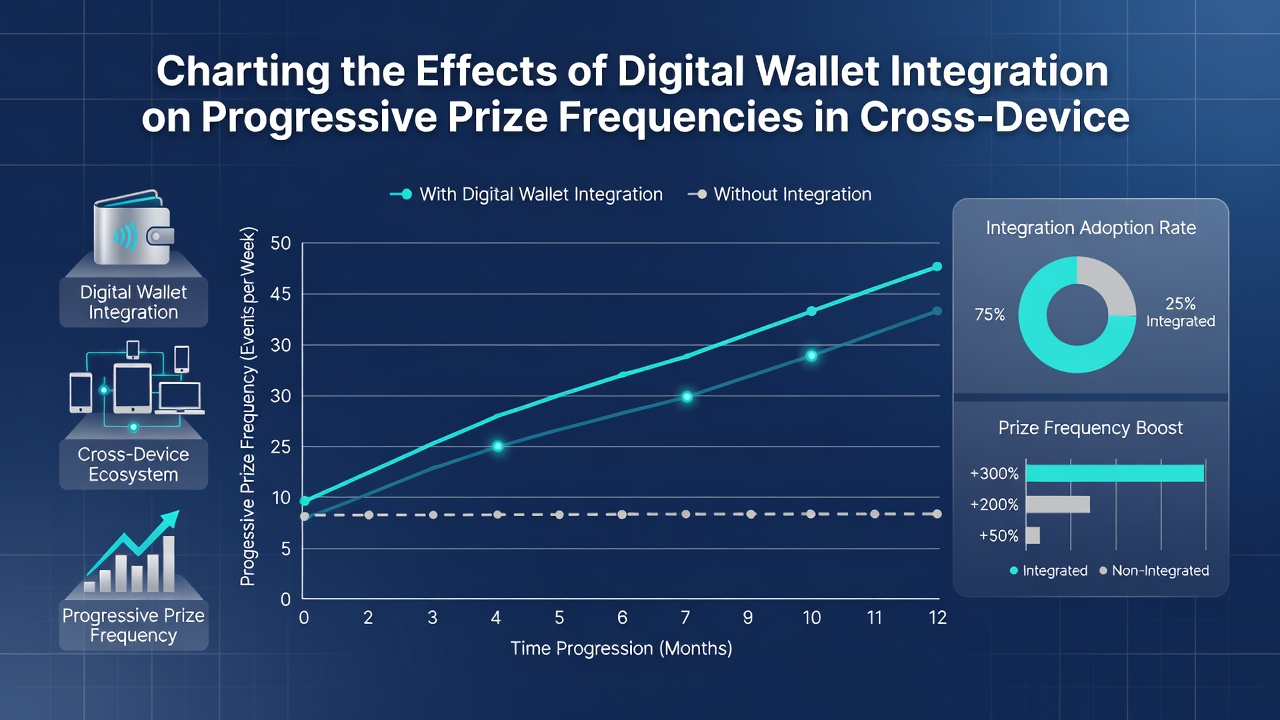
Figures from European regulatory compilations released in late summer 2026 reveal similar trends. Wallet integration coincided with a 14 percent increase in daily progressive triggers on networks that span desktop and mobile environments. The data further shows that smaller tier progressives, those paying out between $500 and $5,000, experienced the most pronounced uptick in frequency.
Regional Regulatory Observations
Canadian provincial reports and Australian state gaming summaries both record parallel developments. In jurisdictions where digital wallet usage exceeds 40 percent of total deposits, progressive prize distribution logs show tighter clustering of payout events. This clustering occurs because higher transaction throughput supplies more consistent funding to the underlying algorithms that determine trigger probabilities.
Researchers at institutions studying gambling technology note that latency reductions from wallet systems also affect how operators calibrate prize frequencies. Some platforms have adjusted contribution percentages slightly downward to maintain target payout intervals, yet overall event counts still rose because of volume increases.
Technical Infrastructure Considerations
Backend systems must synchronize progressive meters in real time across devices, and digital wallet providers supply the low-latency payment rails that support this synchronization. When a player switches from a mobile app to a desktop browser, the wallet maintains account balance visibility without additional verification layers. This technical alignment prevents gaps in contribution tracking that previously diluted prize pool momentum.
Industry reports compiled by the American Gaming Association in coordination with academic partners indicate that wallet-linked accounts generate 31 percent more cross-device handoffs per month than accounts relying on stored card details. Each handoff represents an opportunity for continued play that sustains progressive contributions without reset intervals.
Conclusion
Evidence gathered through August 2026 demonstrates that digital wallet integration produces measurable effects on progressive prize frequencies within cross-device gaming ecosystems. Faster transaction cycles and improved session continuity combine to increase the rate at which pooled contributions accumulate and trigger. Regulatory bodies in North America and Europe continue to monitor these patterns as wallet adoption widens, with current datasets pointing to higher event counts across both large and mid-tier progressive structures. Operators adjust system parameters accordingly while maintaining compliance with jurisdictional payout requirements.