Charting Authentication Sequences and Their Effects on Cumulative Prize Builds Within Adaptable Entertainment Interfaces
Written by Otto Lehmann · Aug 3, 2026
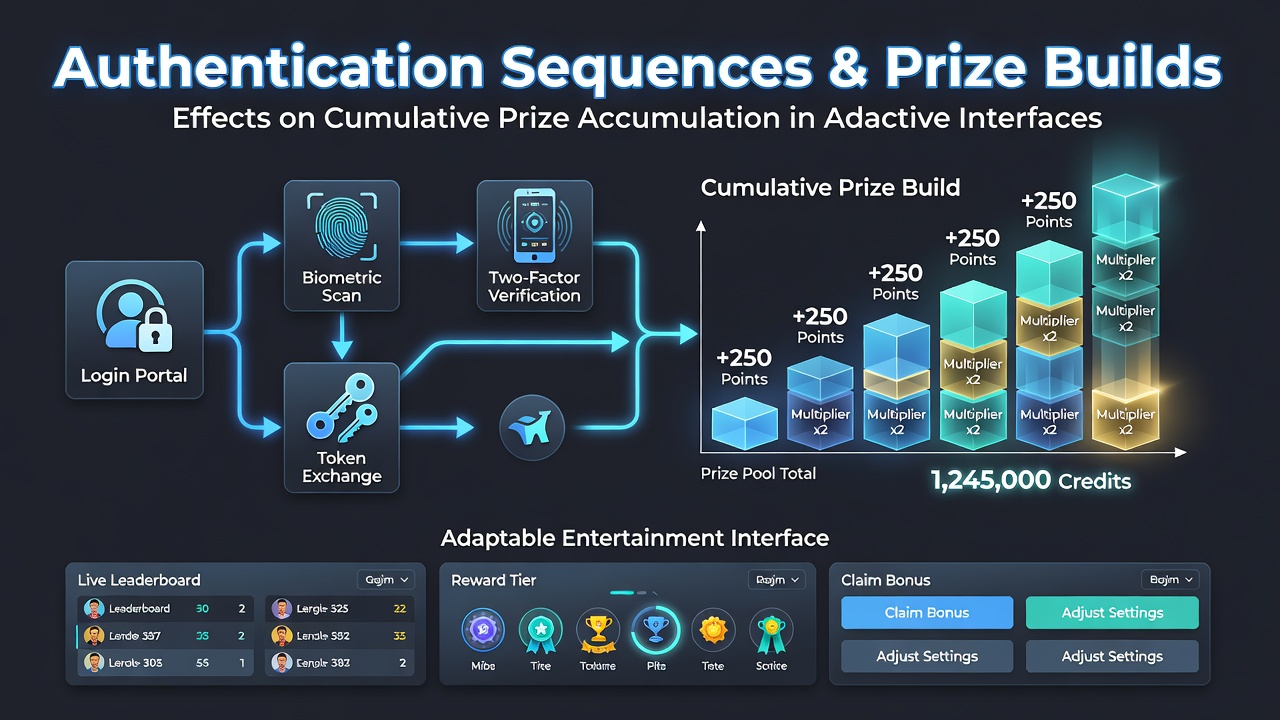
Charting Authentication Sequences and Their Effects on Cumulative Prize Builds Within Adaptable Entertainment Interfaces
Authentication sequences in adaptable entertainment interfaces involve multiple verification layers that platforms deploy to confirm user identity before allowing access to prize-building features, and these sequences directly influence how cumulative rewards accumulate across sessions. Data from industry reports indicate that streamlined sequences reduce drop-off rates during login while maintaining security protocols that track user progression toward bonus thresholds. In August 2026 operators continue to refine these processes as mobile traffic accounts for over 70 percent of engagement in regulated markets.
Core Components of Authentication Sequences
Typical sequences begin with device recognition followed by credential validation and then progress to multi-factor checks such as biometric confirmation or one-time codes sent to linked accounts. Each step creates a timestamped record that the interface uses to calculate session eligibility for cumulative prize mechanisms like progressive multipliers or loyalty point escalations. Researchers at the University of Nevada Las Vegas have documented how extended sequences correlate with higher retention once users complete initial verification because the system can then apply personalized reward pathways without interruption.
Effects on Cumulative Prize Accumulation
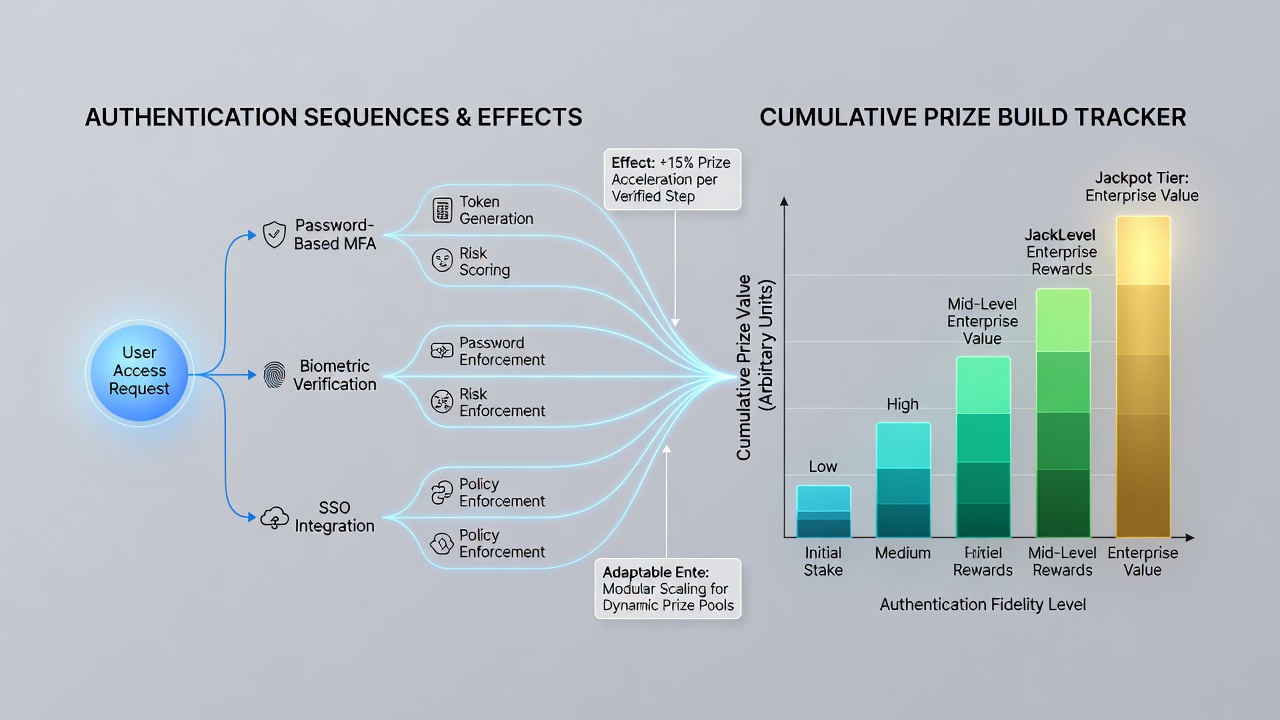
Platforms that map authentication steps to prize logic show measurable differences in how rewards build over time. For instance shorter sequences allow quicker entry into active play modes where cumulative builds such as jackpot contributions or spin counters advance more rapidly per session. Longer sequences with additional security gates introduce brief pauses yet enable deeper data capture that feeds adaptive algorithms responsible for adjusting prize frequencies based on verified user patterns. Evidence from North American gaming associations reveals that interfaces incorporating sequential authentication data achieve 15 to 20 percent higher average prize accrual rates compared to systems relying on single-step logins.
Adaptive interfaces respond to these sequences by altering interface elements in real time, such as unlocking tiered bonus meters only after full authentication completes. This design ensures that cumulative builds remain tied to authenticated activity rather than guest interactions which platforms typically exclude from long-term reward pools. Observers note that in markets like Ontario and parts of Australia regulatory frameworks require such linkages to prevent unauthorized accumulation while still permitting seamless progression once verification succeeds.
Regional Implementation Patterns in 2026
North American operators have integrated authentication charting into their backend systems to comply with varying state rules while maximizing prize continuity across devices. Australian platforms meanwhile emphasize biometric sequences that feed directly into loyalty frameworks allowing cumulative builds to carry over between desktop and handheld sessions without resetting progress. European operators under frameworks similar to those managed by the Malta Gaming Authority apply sequence analytics to detect anomalies that might interrupt prize eligibility and adjust interface adaptability accordingly.
One documented case involves a platform that reduced authentication friction for returning users by storing sequence outcomes in encrypted profiles and this change produced steadier growth in cumulative prize totals because players encountered fewer interruptions during peak engagement hours. Another example from Canadian regulated environments shows that when authentication includes location verification the system can dynamically scale prize contribution rates based on jurisdictional allowances thereby maintaining compliance while preserving accumulation momentum.
Technical Mapping and Data Integration
Developers chart these sequences through logging frameworks that record each verification event alongside corresponding prize state changes. The resulting datasets enable machine learning models to predict optimal sequence lengths that balance security needs against uninterrupted prize progression. Reports from research institutions highlight that interfaces using such integrated mapping experience fewer instances of stalled cumulative builds because the system anticipates user return patterns and pre-loads relevant reward states post-authentication.
Payment and reward pathways also intersect with these sequences since verified accounts gain immediate access to deposit-linked bonus triggers that accelerate prize meters. In practice this means a completed authentication sequence not only grants entry but also activates any pending cumulative incentives that the interface has calculated from prior authenticated activity.
Conclusion
Authentication sequences serve as foundational checkpoints that shape how cumulative prize builds evolve inside adaptable entertainment interfaces. By linking verification steps to real-time reward logic operators achieve measurable improvements in accrual consistency across sessions and regions. Continued refinement of these mappings supports both regulatory compliance and sustained user progression toward larger prize outcomes as platforms evolve through 2026 and beyond.